
Hi all. Sony just announced a new 100-400mm f/4.5 lens this week (retail $4300). A few weeks ago I had the opportunity to test it out before it was released. So I thought I’d share my experience with it while photographing shorebirds in the Tampa Bay area.
Some background… I do own the original 100-400mm lens which is f/4.5 – 5.6 so when you zoom in to 400mm you’re shooting at f/5.6 not f/4.5. This new lens will allow you to shoot at f/4.5 across the range of the lens.
Also, I’ll be giving you my first thoughts on this lens from a wildlife photography standpoint only. I do shoot landscapes and cityscapes as well, but in my opinion you wouldn’t get this lens for that, so I’ll only be talking about this from a wildlife perspective.
Camera Settings and Editing
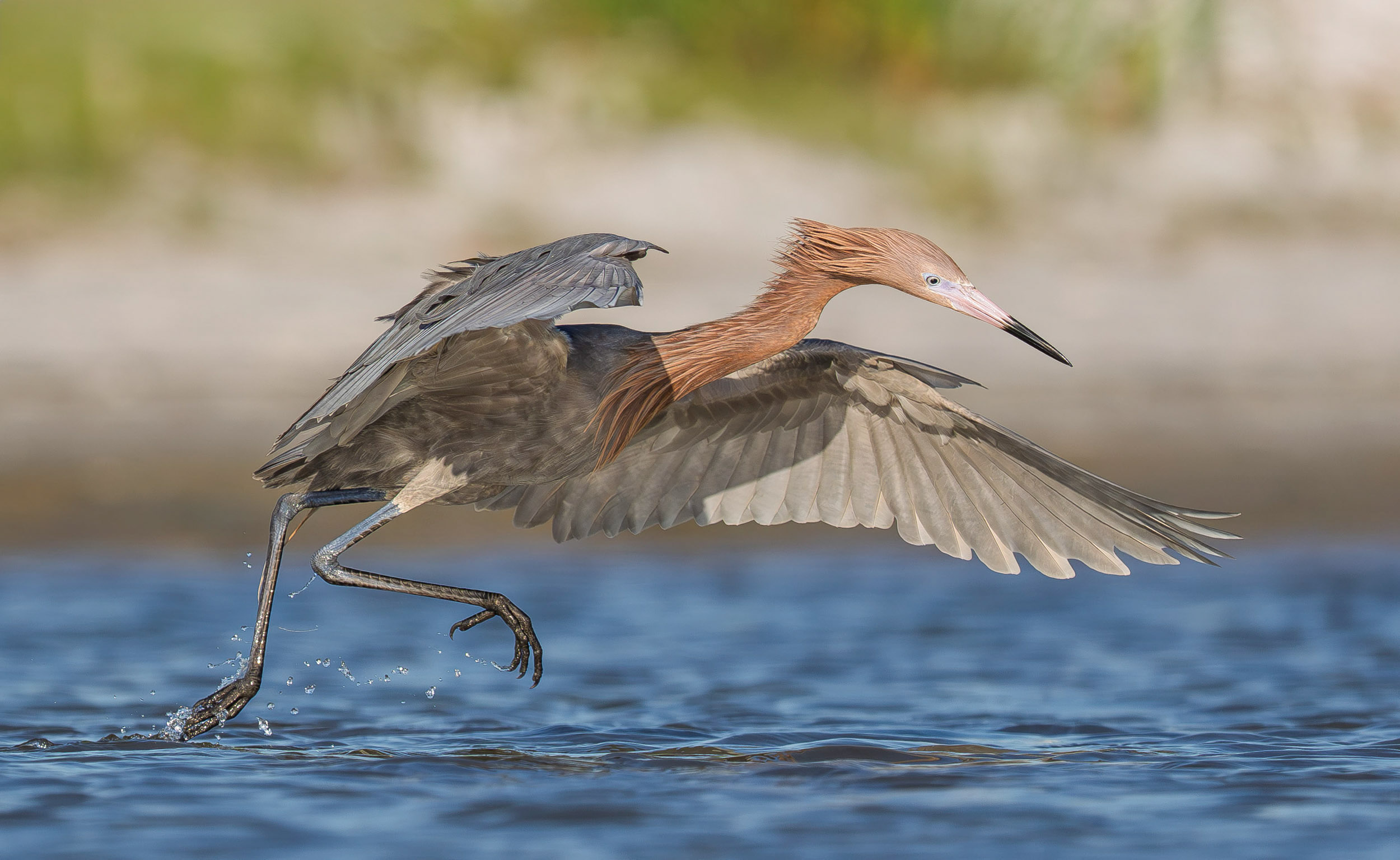
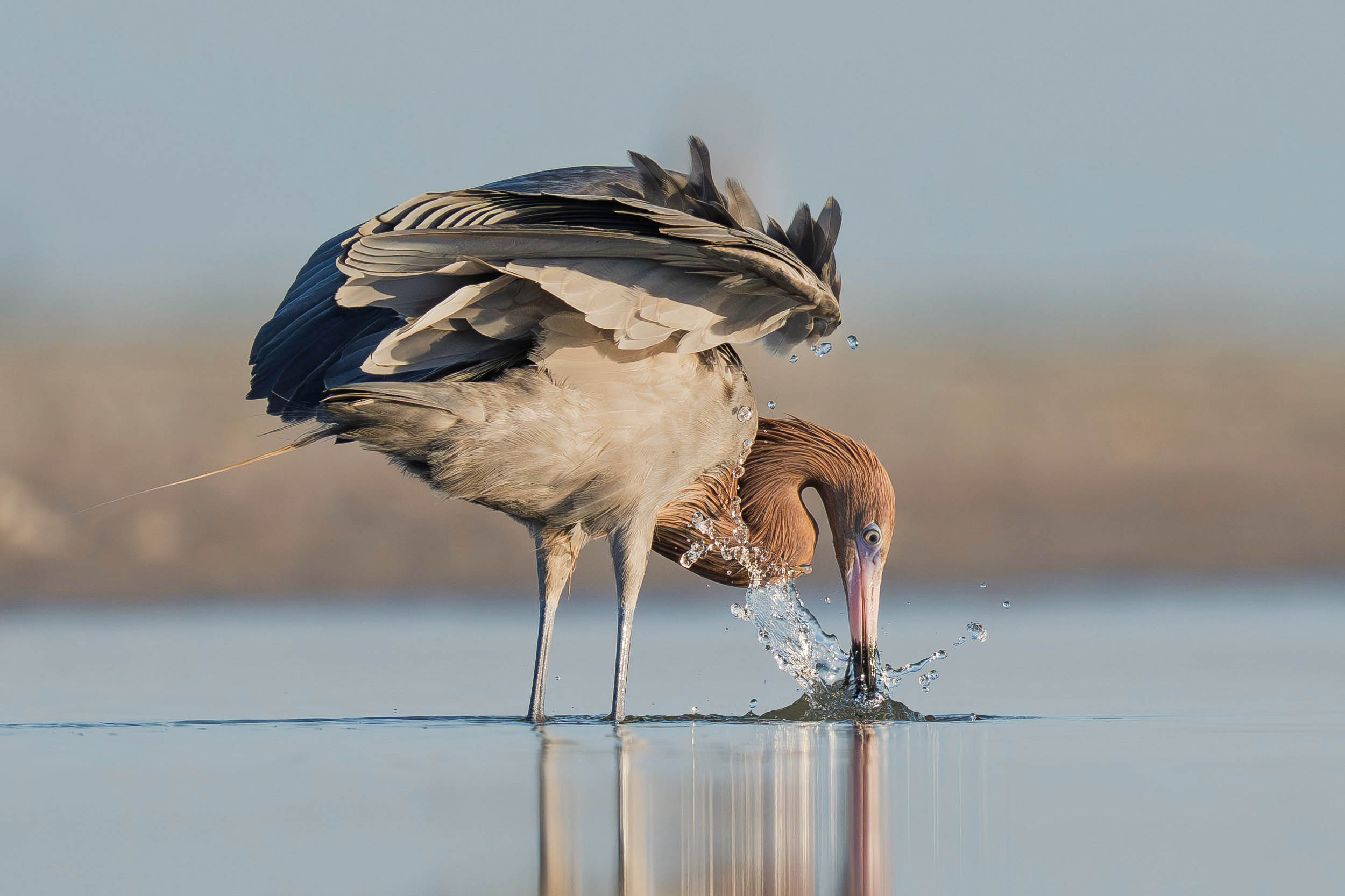
Gear: All of the photos below were shot with the new lens and the Sony a1 ii.
- I shoot on manual exposure mode.
- Typically the lowest f-stop number the lens will allow.
- Auto ISO turned on
- And varying shutter speeds depending on the light and movement of the wildlife.
- Also, all photos were taking using the Center Fix auto focus area, with tracking turned on.
As for editing, all photos were edited in Lightroom only, and most have Lightroom’s DeNoise applied to them. And I typically nudge the Sharpening slider to around 60-75 after applying noise reduction. No other plug-ins or programs were used.
Size and Weight
The first thing that surprised me, since I own the original 100-400mm lens, was the size. Typically, everyone I talk to wants smaller and lighter, I didn’t expect to see a larger lens. As you can see below, it’s definitely bigger than the original. But the weight did surprise me. The original is about 50 ounces and this one is about 65 ounces. Considering the size difference, you don’t expect to pick this up and it be as light as it was. It also feels balanced when on the camera, where is my 200-600mm (which is about the same size) definitely feels heavier.
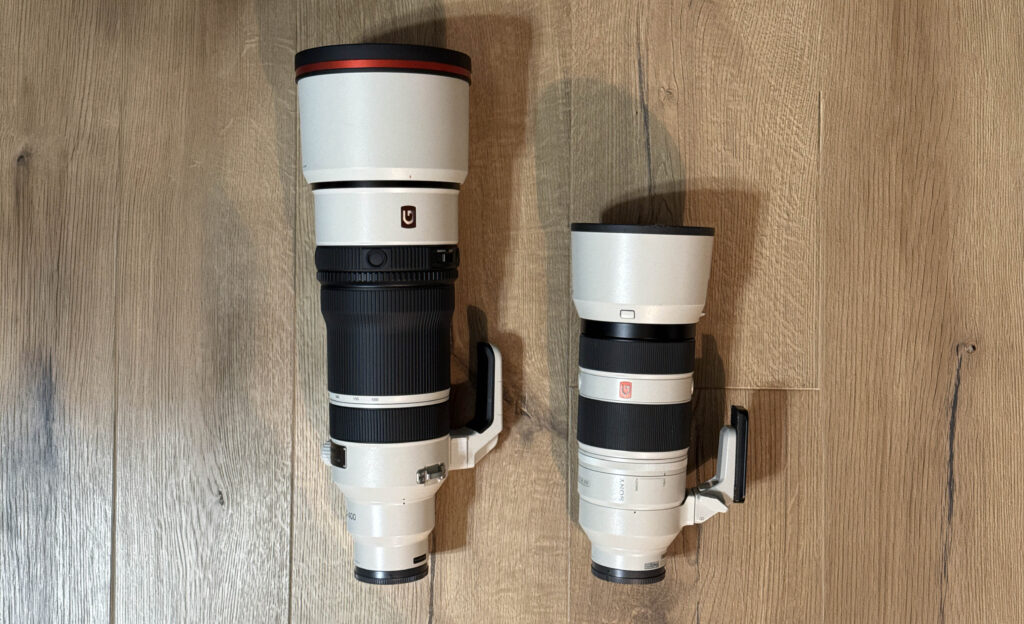
Now, the new lens internally zooms where the old one telescopes out, so while shooting it’s not much of a change. But if you traveled with your 100-400mm a lot, packing this new one will definitely have you rethink your space.
Sharpness and Image Quality
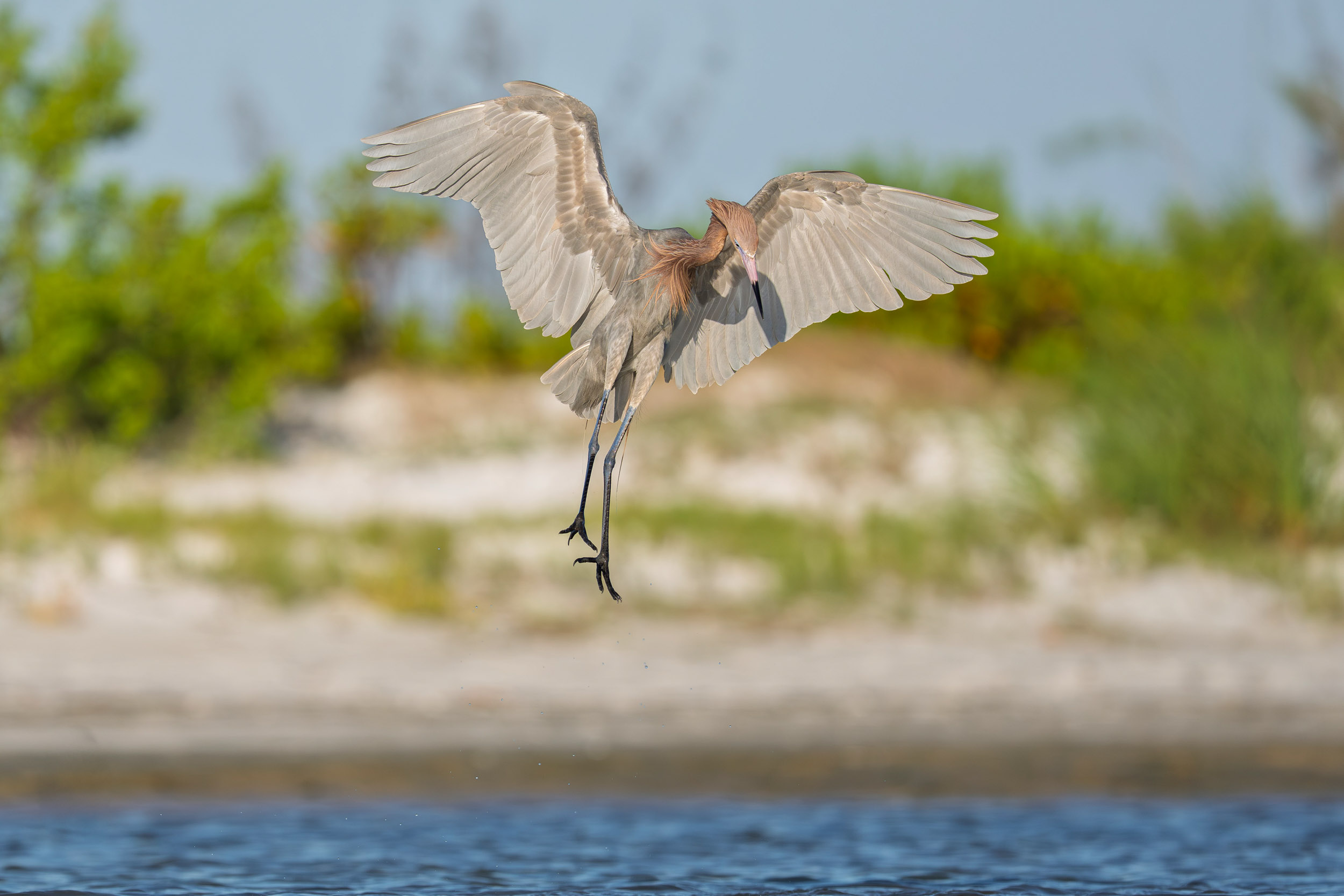
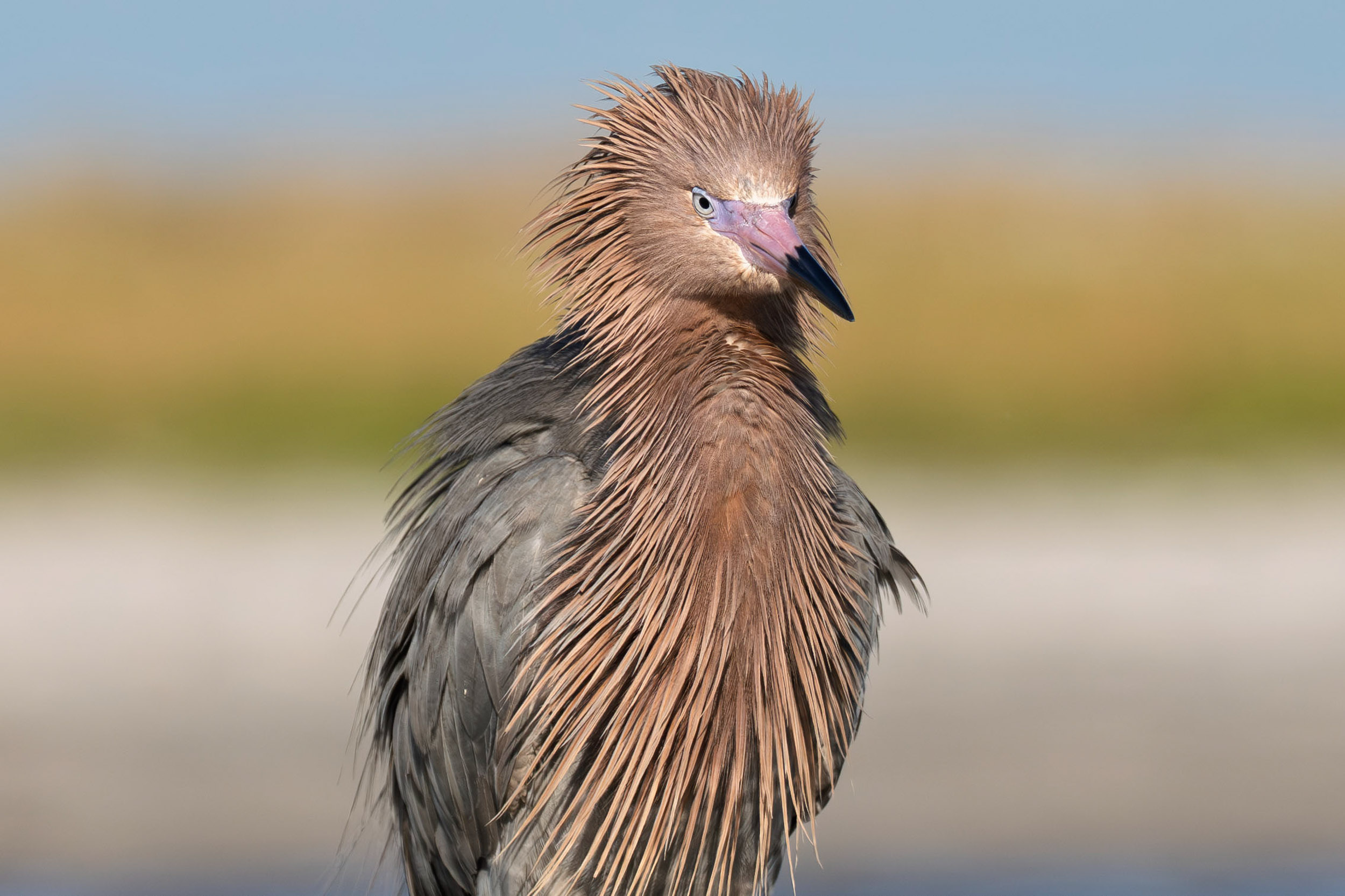
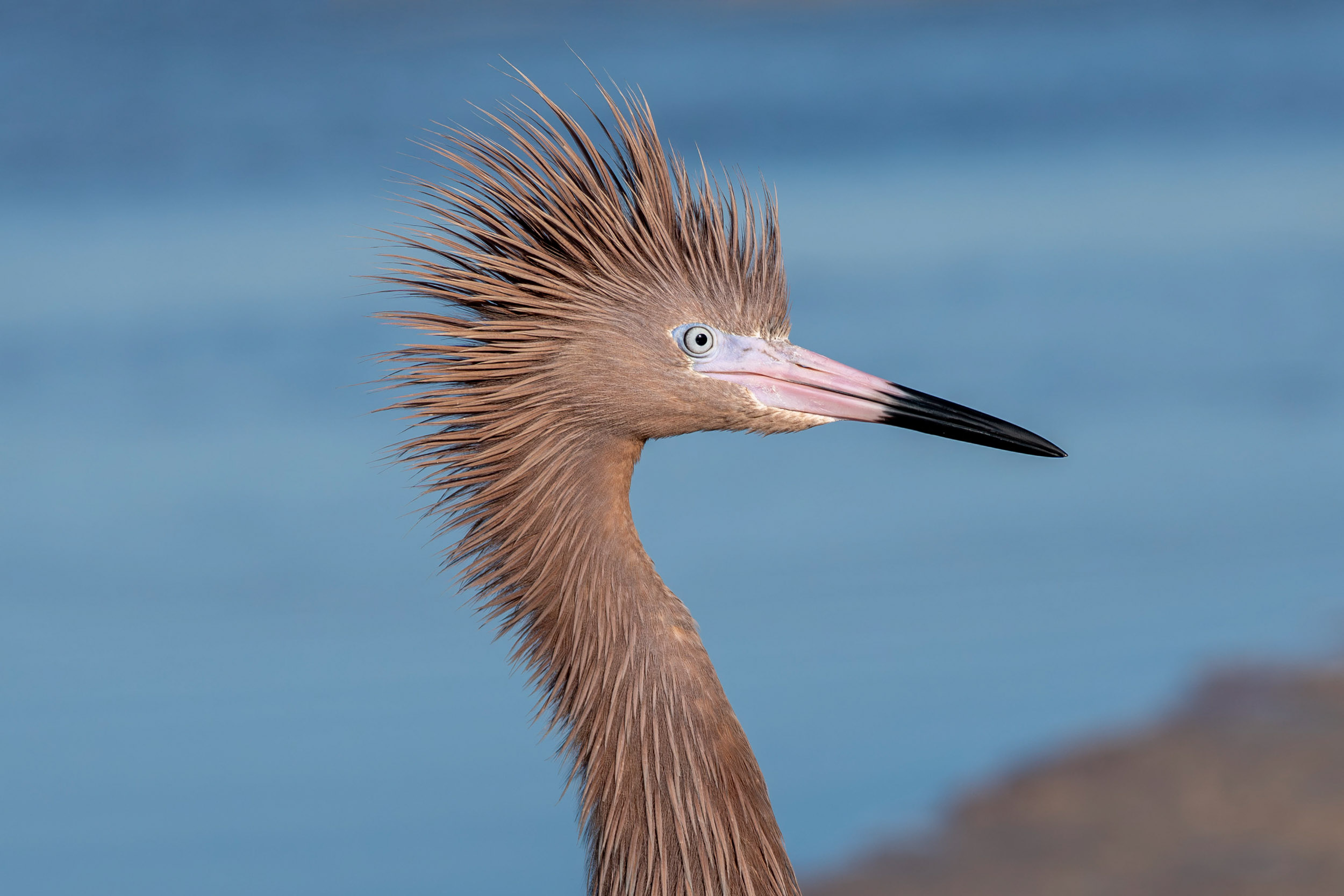
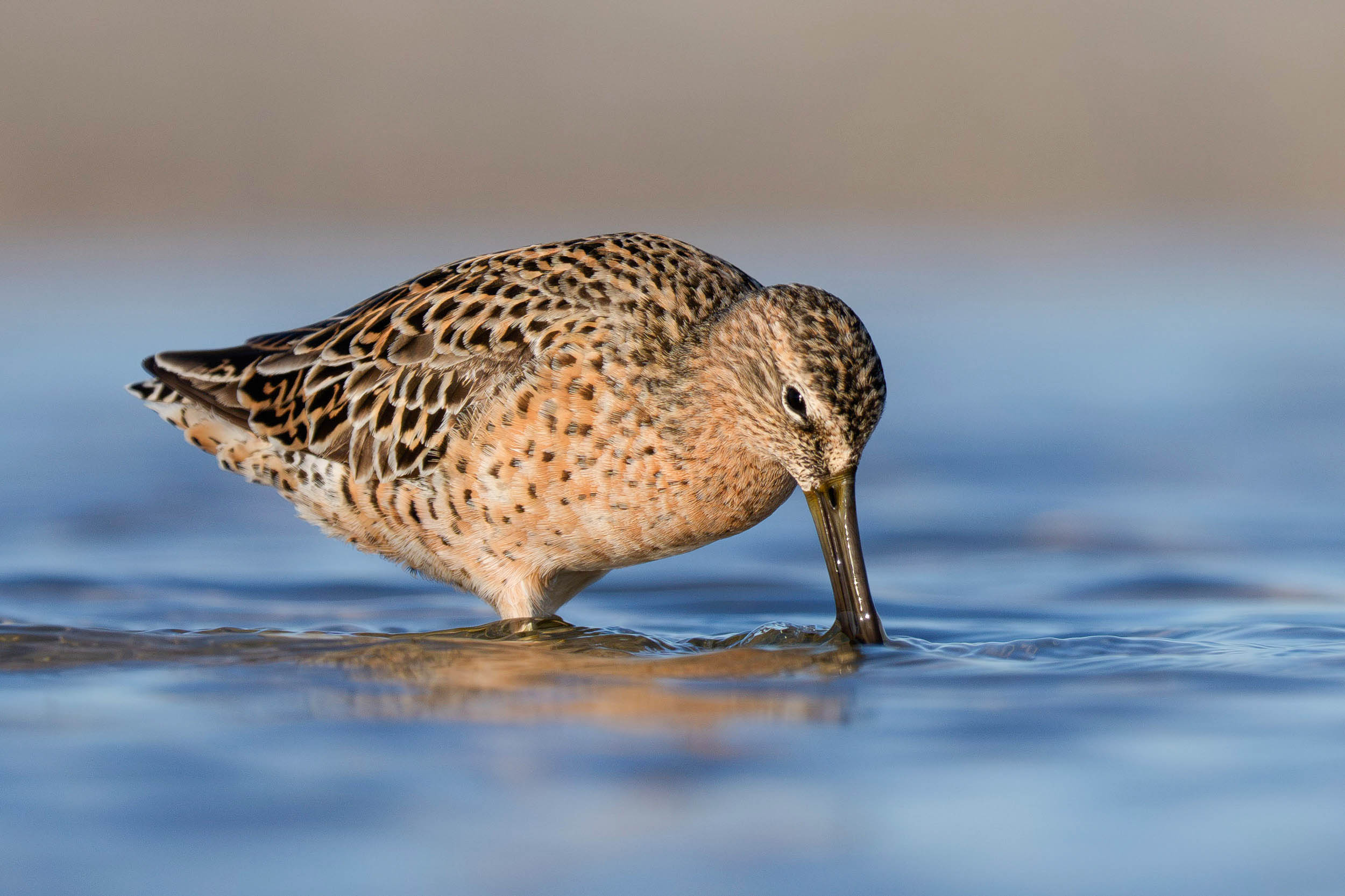
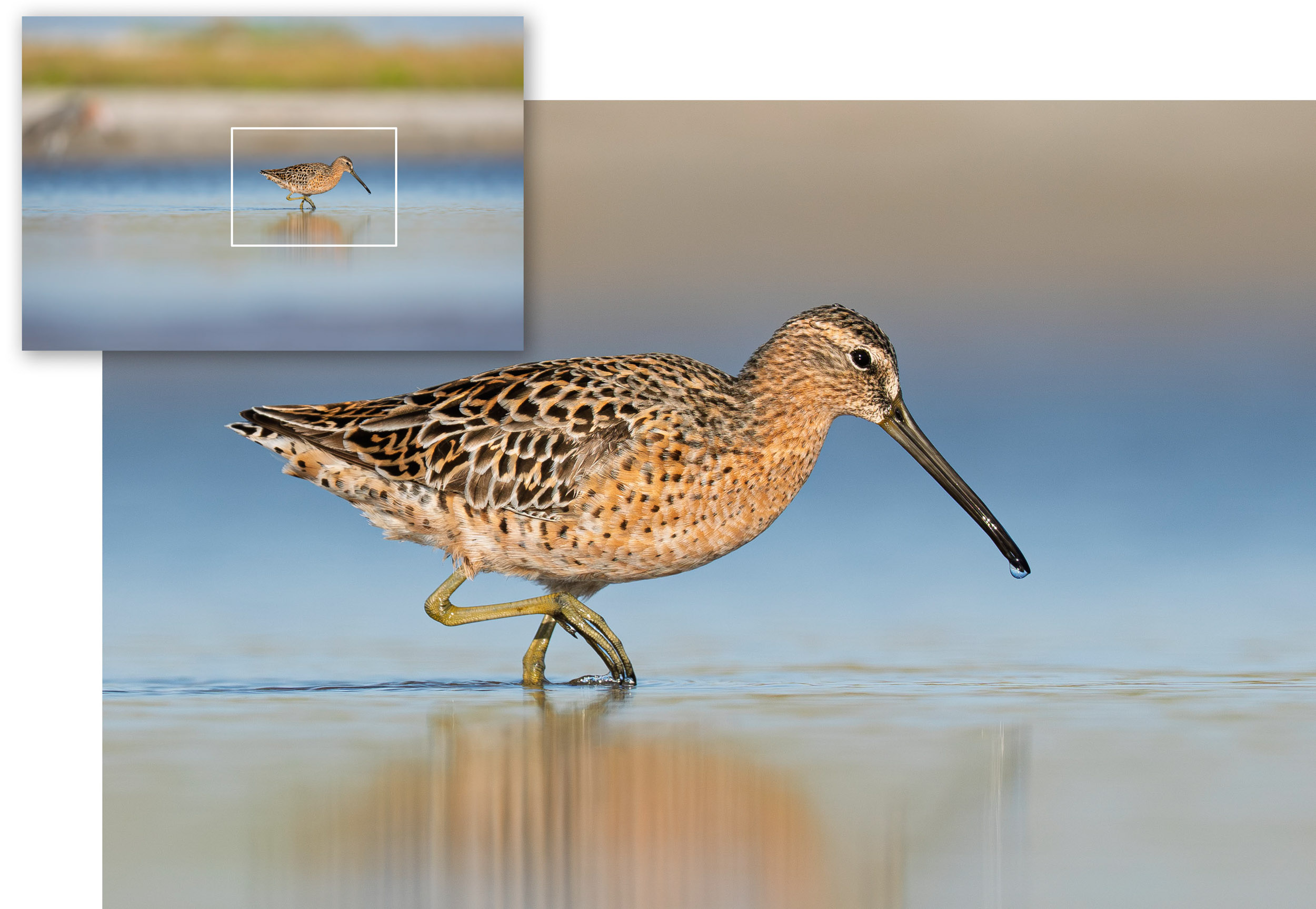
Of course the quality and sharpness is always a hot topic. To me, just about any lens a big camera manufacturer makes these days is sharp. So it’s not anything I really look for. I guess I just expect it to be sharp, especially considering how much these lenses cost these days. But the sharpness was similar to my 200-600mm which I absolutely have always loved and is the lens on my camera most of the time. I did some comparisons but you really have to zoom in to 800% and pixel peep so to me it’s as sharp as you’d ever need.
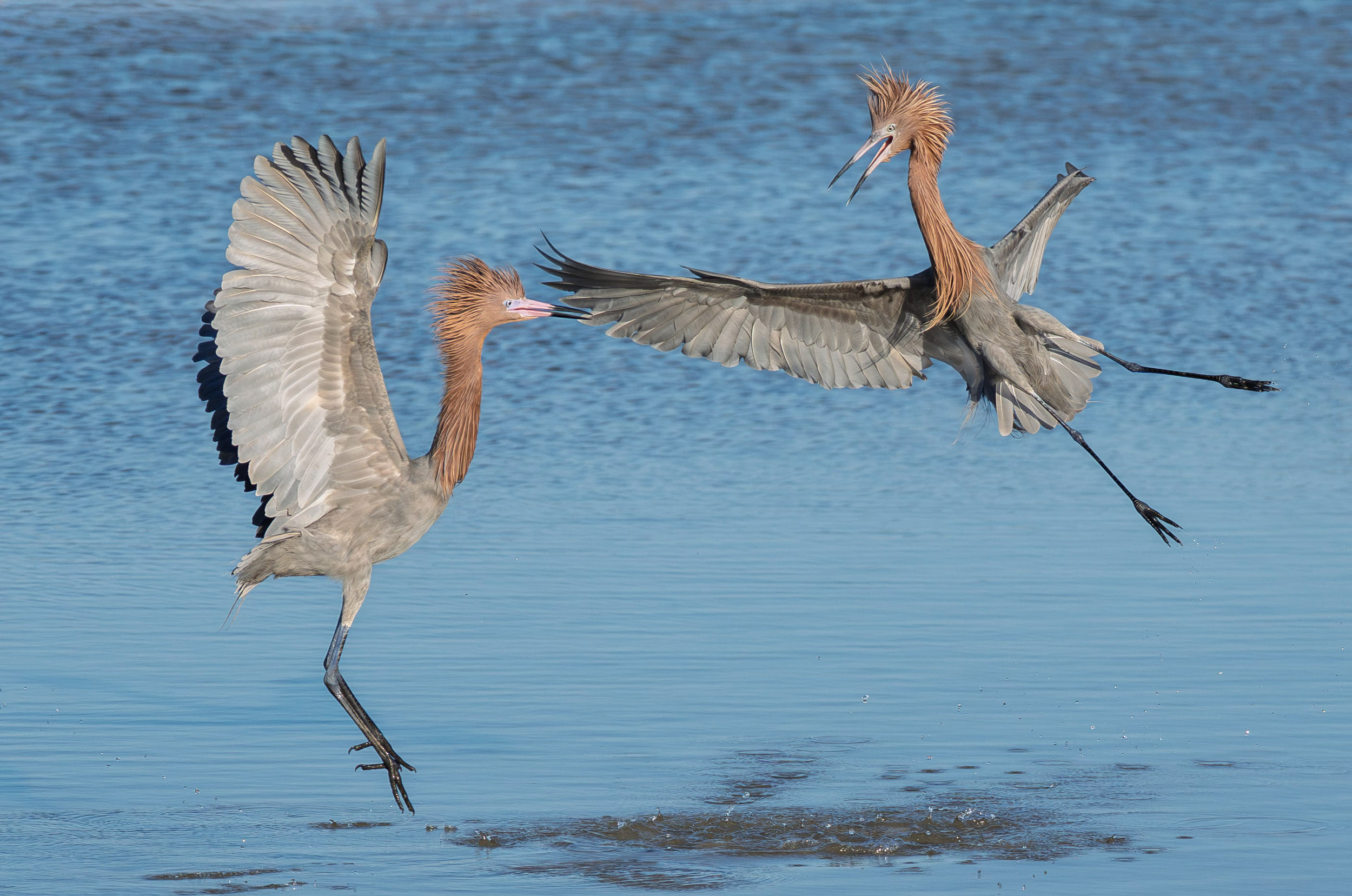
Below are some close up detailed shots so you can see for yourself.
Autofocus Speed and Reliability
Like you’d expect from a lens like this and a price point of over $4000, auto focus was great. I can’t say I noticed it to be any faster or slower than my 200-600mm or the original 100-400mm, but it’s hard to be nearly perfect. It acquired and locked on to what I needed it to really fast.
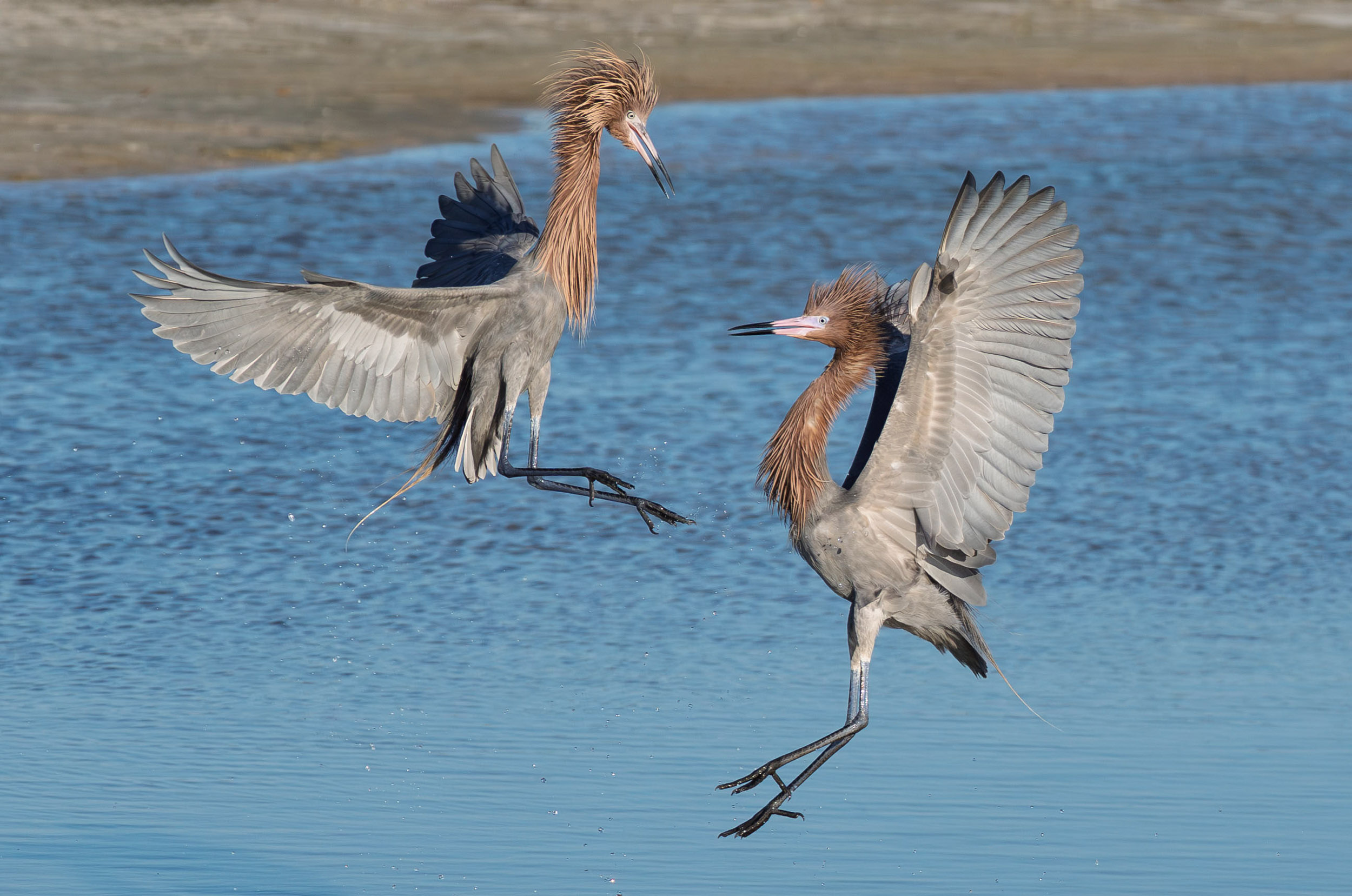
This scene happened while I was chimping photos and I looked up, saw it, pointed and shot a burst that was all in focus. I don’t know if that’s because of the camera or the lens (or both), but technology today is incredible. To have this shot while fumbling around with my camera and not being prepared for it is pretty amazing.
Does f/4.5 Through the Range of the Lens Really Matter?
One of the big improvements of the lens is that it shoots at f/4.5 throughout the range of the lens where the old one was variable (4.5 – 5.6). This is one of those subjective things. What do you gain from having f/4.5? It let’s more light in so your ISO levels will be lower. The same photo at ISO 5000 was around ISO 3200 for me. Not a huge difference on the Sony a1 ii, but noticeable.
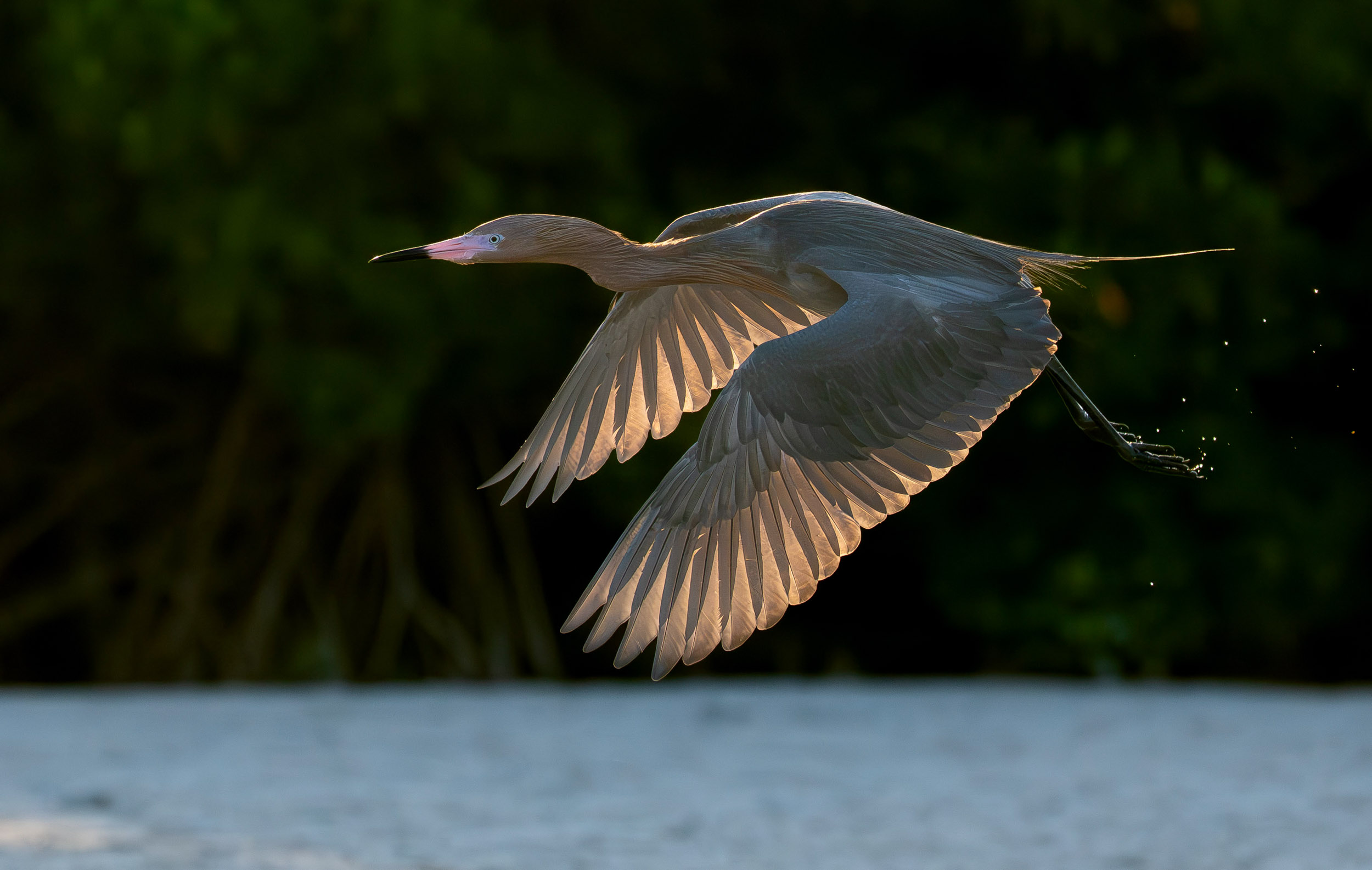
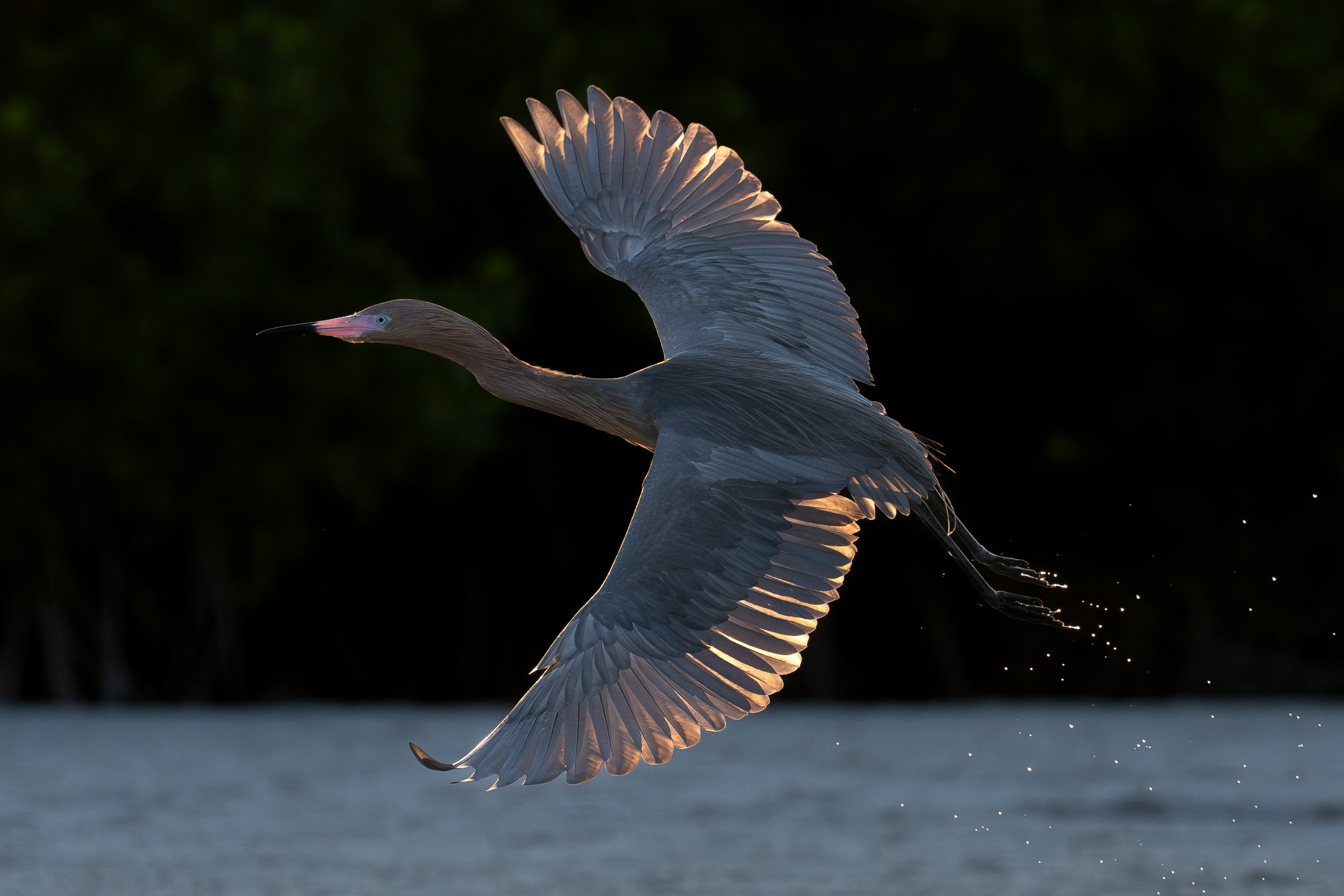
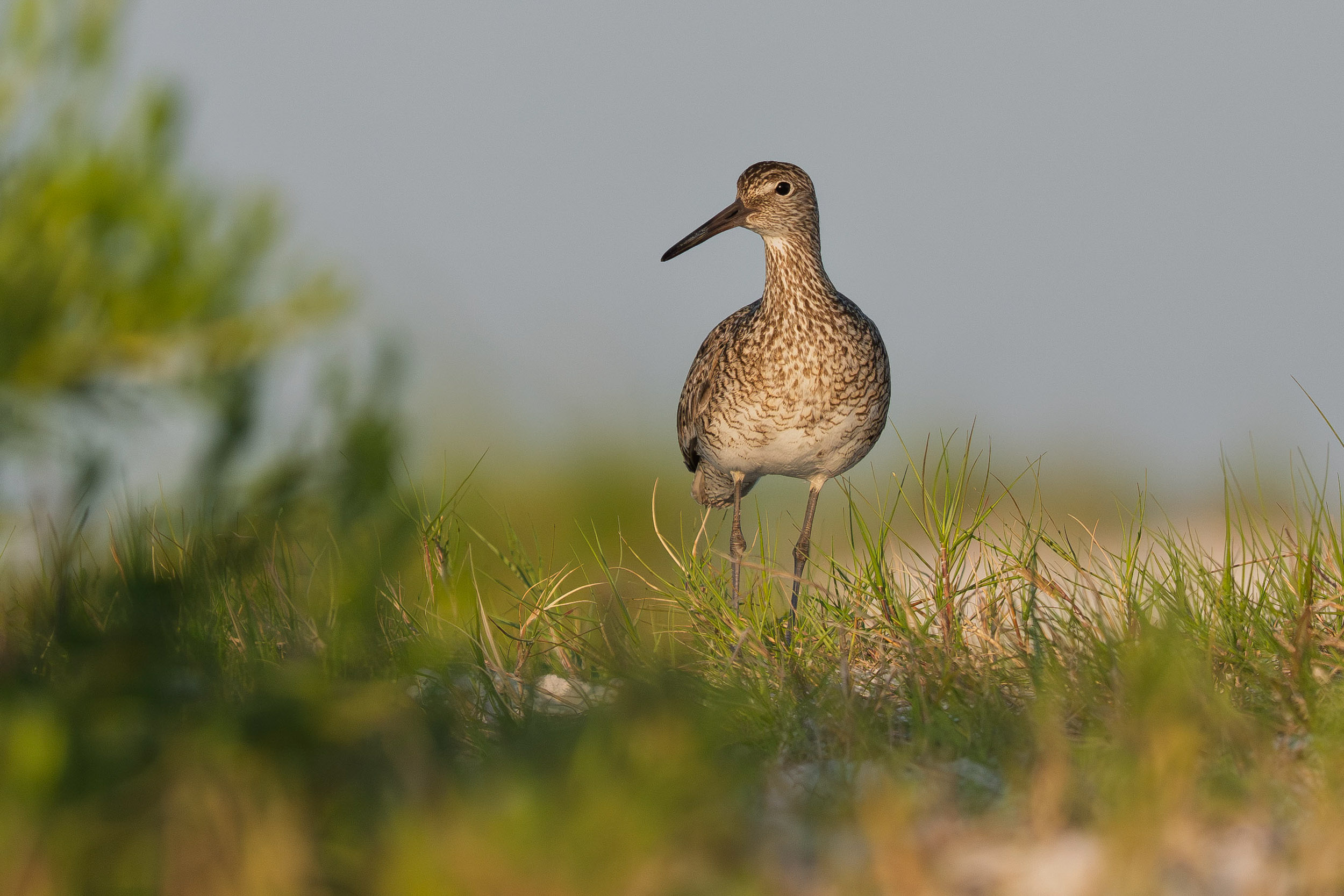
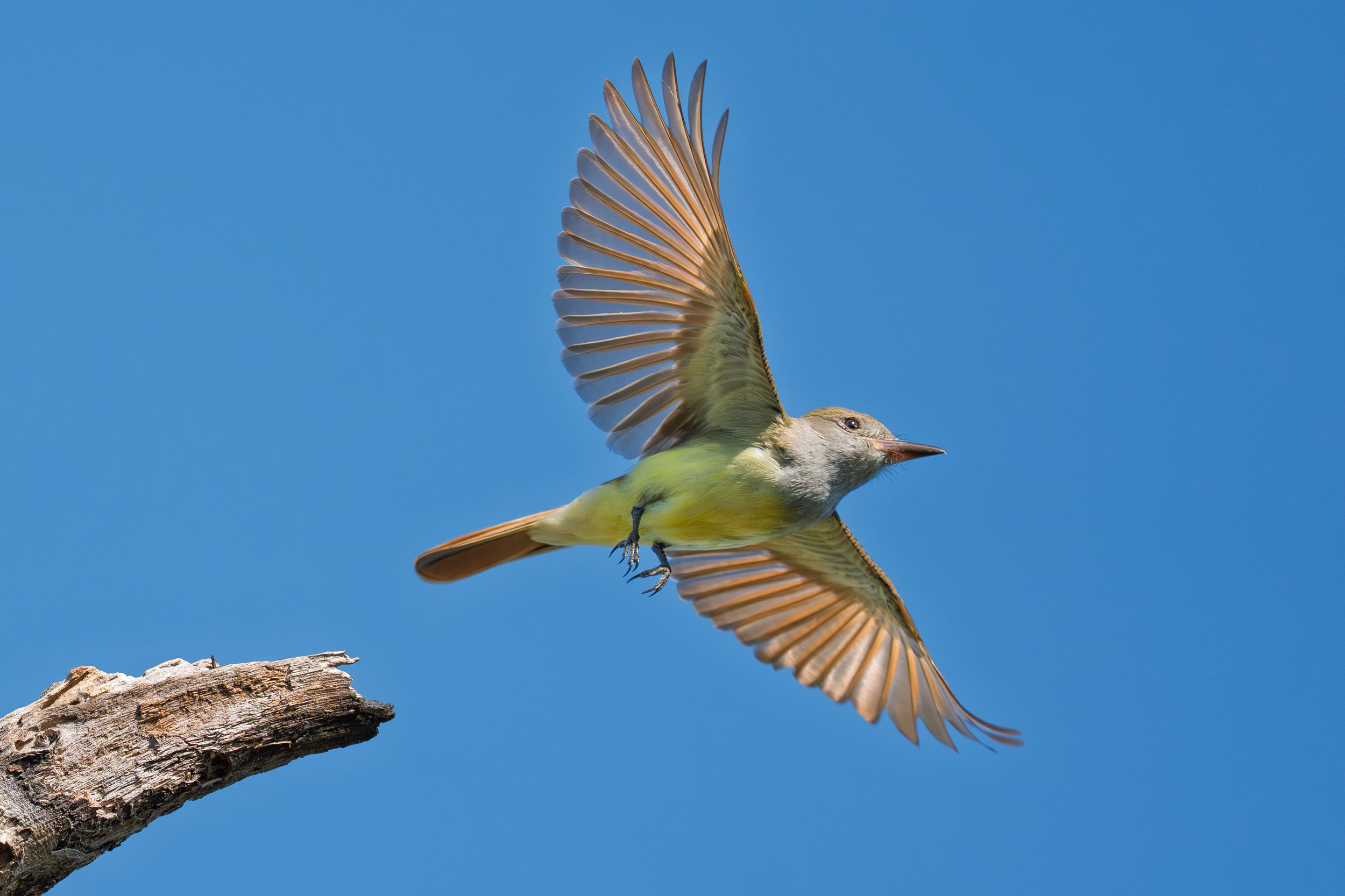
It also gives you some better background blur (bokeh) while zoomed in. Again, is it noticeable? It depends on you. For me, I simply can’t see the difference that much. However, it is a very pleasing bokeh. While not my best photography, I included this photo to show some of the depth and blur you can see.
Teleconverters?
I didn’t shoot it with a TC on. But the old 100-400mm performed really well with a TC, and Steve Perry who is one of the only reviews I trust on the internet, mentioned that it performs really well. Plain and simple… if Steve says it, it’s true. I don’t know of a better or more seasoned wildlife photographer on the internet today.
One thing about teleconverters… I’ve said this in my lens reviews before and I’ll say it again. It’s a bit of a miss here to not have an internal TC built in to the lens. Other lenses have had this for a while now, and I keep hoping we’ll get something similar in the Sony world.
Will I Add This to My Kit?
After doing a review the question I always get asked is whether or not I’ll be adding this to my kit. At this point, I don’t think so, but I’ve learned never to say never 🙂
My existing 100-400mm took a back seat when the 200-600mm came out because (for wildlife) I always want more reach and zoom – not sometimes… always! And the quality I get with the 200-600mm is outstanding, so I find myself not needing anything else (including the 600mm f/4 I own, that I rarely reach for anymore).
(I did write about the Sony 400-800mm here as well)
So at this point, I’m just not sure I’ll be placing an order for this one any time soon. I think the lens, for the size and weight is fantastic, but I just don’t see myself wanting to use a 100-400mm much. If I take a landscape trip, I’ve always loved taking the older 100-400mm because it let me bridge the gap of shooting detailed landscapes but also some wildlife if I wanted. But since this lens is so large, I’d need a new and much larger travel bag to carry it.
Now, if I did use that focal length a lot, I would have to ask myself what I gain from the new one? If you’re always shooting in low light, then f/4.5 through the range of the lens can make a difference. Lower ISO’s and some nicer backgrounds could make it worth it. And the lens handles fantastically. Much like the 300mm, it just feels perfect when you handhold it and I can’t say that about the 200-600mm.
Thanks and Don’t Forget To…
Thanks for stopping by. I know my reviewers aren’t really technical in nature, but they’re how I see camera gear for better or worse.
Also, don’t forget to check out my newly released Lightroom for Wildlife Photographers course. Wildlife editing has come a long way in the last 5 years and this course gives you a good solid workflow to make your photos look as good as you envisioned them. Enjoy!
 I love teaching and photography... In that order. I feel that enjoying photography, and photo editing can get WAY too complicated. So my personal mission (and favorite thing to do), is to create education that simplifies the process of taking great photos, and how to edit them to get the results you’ve always wanted.
A great Review is always judged by the quality of the images. And from this the quality is exceptional. With lens choices for me it comes down to what is going to serve your situation best. For me 300-400 mm is a sweet spot for African wildlife. For Birds it is 600+. When Sony launched this lens I sold the last of my Nikon gear to buy this lens. I already had the A1ii. Many moons ago I used the Nikon 200-400 as my main wildlife lens. So this is the perfect fit. I also used the 1.4 on a recent trip to Botswana for Bird action and again the results and shooting experience was what I expected from this lens. Great review and great images. Thanks
Fantastic review!
I’ve been so torn on which direction to go. I’ve rented the 100-400, 200-600, 400-800. I really like the manual override feature on the 400-800 but the lower aperture on the 200-600. I shoot a variety of photos from wildlife, birds, concerts, astro, people, video etc. I have a Sony a7iv now. If I were to upgrade my camera what would you recommend based on the above? I think you convinced me to go 200-600 as well. Thank you for any and all advice!
Hi. For me, it’s the a1 ii all day. It’s the most perfect camera I can imagine. And if you told me, I’d have to shoot with my original a1 forever, I’d be fine with that too. But the mark2 version has Pre-capture which really comes in handy at times. Hope that helps.
First of all, thank you Mat for all your interesting posts about mainly LightRoom but also other useful photo tips.
I am a Nikon shooter and have a Nikkor 100/400 f4.0-5.6. As I photograph a lot of sailracing it is a perfect combo with my Nikon Z9
Hi Matt. Thanks for this great review and the photos. They are inspirational! As you know from conversations with me in the Portfolio group, I am headed to Alaska soon. We talked about a TC for my Nikon 70-180 mm lens and you gave me some great advice. I have recently been considering the Nikon 100-400mm lens which I will carefully review before buying. That would replace my 70-180mm for this trip and a few others that I have planned. I hope it is as good as the Sony you just reviewed. I note that you said you handhold most of your shots. Impressive. I have a love/hate relationship with my tripod and rarely use it for that reason. Traveling with it is onerous. Would a monopod work, do you think for my Nikon Z8 and the 100-400mm lens?
Hi Edie. At the shutter speeds I’m shooting handholding doesn’t matter too much. The photo would be sharp if I threw my camera in the air and snapped a photo. So the tripod is really more about the fatigue of standing there with 5-10 lbs in your hand. And in the case of Alaska, I used a tripod most of the time. Not sure if you read this but this should help: https://mattk.com/alaska-bear-photography/
I went to a my local camera store in Orlando today for a Sony rep event and looked at the new Sony a7rvi. Wow really nice and love the viewfinder res. I have the A1 so maybe i’ll save up to trade later. On the 100-400 new lens they had that there and the one thing I n oticed was how LIGHT it felt compared to my 200-600. Tempting. I will check out Steve Perrys review to.
Thanks.
Ps enjoying the wildlife lightroom class i signed up for
Hi Hal.
For me, the Sony a1 is a better camera all day long over the a7rvi. A trade would be a trade down in my opinion. Do some research on the a7r6 vs a1 and you’ll find the a1 specs (where it matters) can be better for a wildlife photographer in some cases. And I guess you’d have to expect the 100-400 to be lighter than the 200-600 right? You’ve lost 1/3 of the focal length? It had better be lighter 🙂
Hi Matt: I am a South African wildlife and surfing photographer, operating all over sub-Saharan Africa, and our coastal areas.
I use a 1.4x TC on both my “Go-to” rigs (Sony A1 Mkii / 100mm-400mm GM +1.4xTC, and my other A1Mkii / 600mmf4GM +1.4xTC.( I replaced the regular lens hood for a 3D-Printed, 50mm Carbon Fibre hood which make a massive difference. We never know what will be around the next bush to I have the luxury of having a range of 140mm through to 840mm at my fingertips.(I also never change lenses in the field because of dust ingress, plus it take too much time) I use a 1.5Mtr IFootage Carbon-fibre monopod(Clip version) plus an Acratech Long Lens Head… All that plus bag weighs only 10.5Kilos. Always stashed in the over-head locker in the cabin at all times.
Both rigs go into a modified Samsonite 55cm ECODIVER Duffle (I made a drop-in insert to take both.I travel with 6x spare batteries and 12x 160 Gig EF Exp Type “A” cards, a TOPRIG 4x battery Smart travel charger. Plus spare high speed cable.
I looked at the new 100mm-400mm GM and honestly, I found it underwhelming! It’s larger, and heavier than the original, and because I use a permanent 1.4xTC I always shoot f8 fully open which is fine and it gives me great DOF and clarity. (NOTE: In 2018 itwas sent back to the Sony assembly plant in Tokyo because it wad a softness problem which nobody could fix…. That lens was simply re-calibrated in the factory, but to much finer tolerances than the regual 100mm-400mm GM which came off the production line….
I have a current archive of over 500,000 imgaes…85% of which are shot with the 100mm-400mm GM +1.4x
TC…https://timdrimanphotography.co.za/
Great shots, Matt. Thanks for the review!
Thanks for the honest review. Your right I trust Steve Perrys review more then most of the others i see as i feel there in it for the views and $.
ps I did purchase your wildlife editing review ( Have not had a chance to view yet )
Hi Matt-
I am just finishing up physical therapy for bursitis in my rotator cuff and tendonitis in my triceps, mostly due from hand holding my Nikon Z8 with Sigma 150 to 600mm lens. I still have a long way to go but it is getting better. Perhaps use a tripod more, which I hate. I am wondering if there is anything out there that would be technically as good but MUCH easier to handle and lighter? I am not a techno expert like my male friends and I hear all kinds of recommendations but I have followed you for years and met you a few times. I am almost 75, 122 pounds and 5’3″ and wondering how much longer I will be able to hold up to this equipment although I am pretty physically fit and just finished 2 lone photo trips in which I usually covered many steps hand carrying and holding the camera. (I also have taken several of your courses and you taught me layers!) Thanks in advance!
Hey Sue. I have the same issue with my shoulder. In addition to my Sony system, I use a Micro 4/3’s system. This has been a lifesaver when on the road and day after day of intense long-lense photography. Yes, there is a slight bokeh hit and maybe no poster-sized prints, but, most anything I do these days is online.
Hi Sue. You’d have to move in to a crop frame sensor. Sony a6700 or similar. And they make a 75-350mm lens as well. It’s a much lighter system. It won’t focus as fast as some of your full frames and high iso levels with a crop sensor will show up more. But I’d say do whatever you have to do to keep shooting. You can get amazing photos with those cameras and I’d rather see you keep shooting than hurt yourself with a heavy camera. I would advise against the micro 4/3 systems. I know many friends in their 70s that went with those and regretted it. So whether it’s nikon canon or sony they all have lighter crop sensor gear that should do great.
Matt, excellent and honest review. I sure won’t be trading my 100-400mm for this $4K “upgrade “ I thought smaller and lighter is usually desirable. I use my 100-400 as a travel long zoom but as you mentioned I don’t think grabbing the new version looks practical.
Thanks for the built in TC comment. First time I was next to a Nikon shooter photographing birds and I ask him if had a TC on he said “oh it’s built in” it was a you gotta to be kidding me ? Sony – swing and a miss !
Thank you for this review! I love these Reddish Egret images, especially the pair in the air together – just fantastic!
The second photo of the bird shot at f/4.5 | 1/4000th | ISO 800 is beautiful. It looks like a painting.
Thanks Matt for the always-helpful and -practical insights. I’m on the fence too, mostly because of the larger size for travel. “It’s a bit of a miss here to not have an internal TC built in to the lens”…Boy Howdy. Gotta wonder what Sony is thinking on that topic. I’m ready to replace my non-TC 600 any time!
I also shoot mainly my A1 with my 200 to 600. But if the new 100 to 400 works with the 2X converter it might be a nice switch to get more reach. I’m going to wait to see more reviews with the 2X. I agree sure would be nice to have it internally for that price.
Hi. Why not just get the 400-800mm and save $2000? With a 2x you’d turn the lens in to f/9 and that’s worse than the 400-800mm.
Incitefull and honest review. Appreciated very much. I’ll hold off on this lens and possibly use the money on their forthcoming camera. Use Sony a7rv with Sony 200-600 routinely for wildwife.
I assume that your wildlife shooting is handheld?
Hi. Almost all of it. I’m rarely in the same place for more than a few minutes and often standing up and squatting down and moving around too much. Plus, most of these photos were taken with me holding the camera nearly on the ground, and the articulating screen turned upward so I can see it without laying down – so handheld is a stretch. It’s more like hand dangling 🙂 But if I know I’m camped out waiting in the same spot for wildlife, I’ll bring along a tripod. Thanks.
Appreciate this user-friendly review. I depend on my 200-600 for the extra reach but would love for it to be a tad faster. Thank you for the comparisons!